Commission recognises island challenges, MBB now calls for tangible solutions
- Latest News, MBB News
- Latest News, MBB News
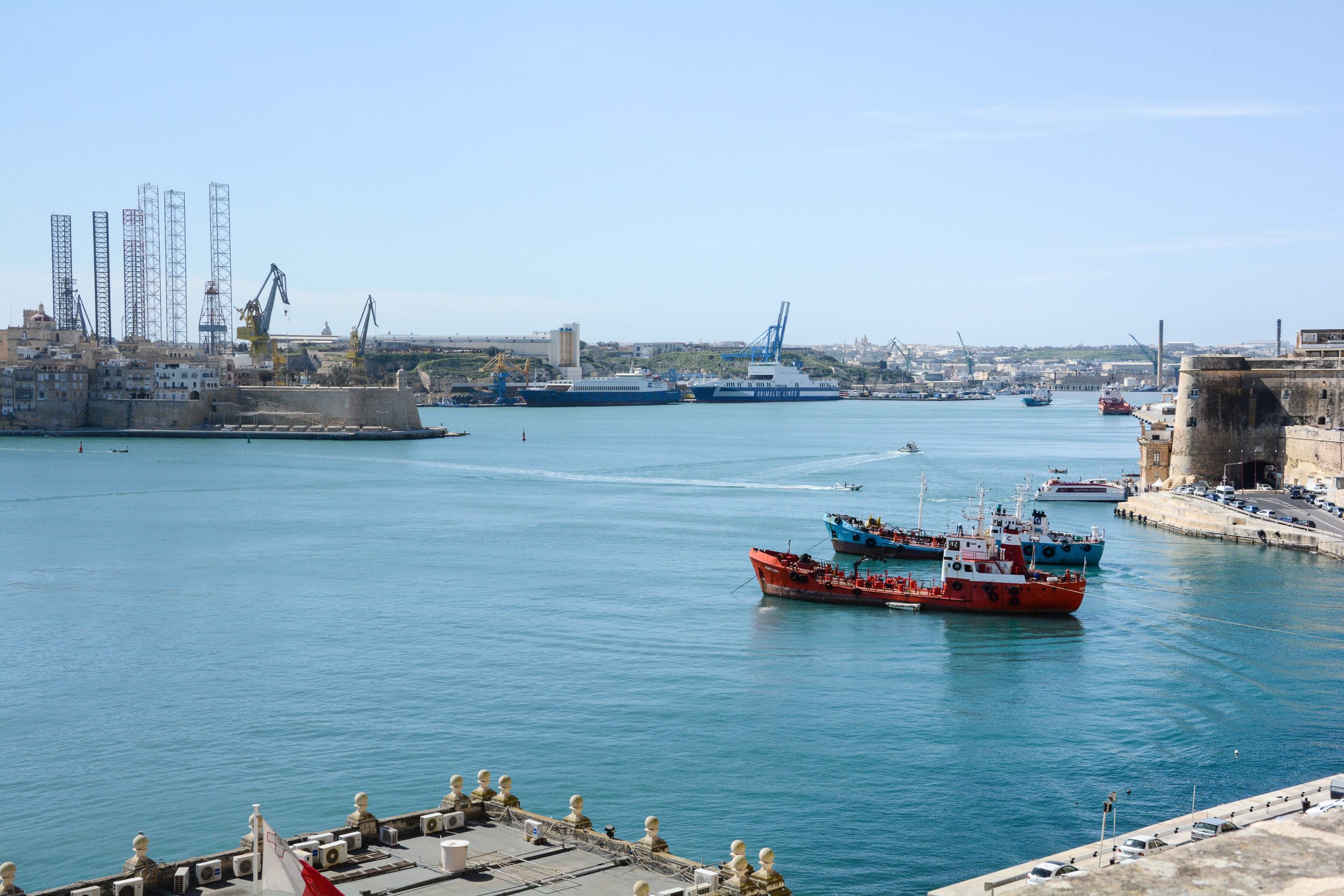
The Malta Business Bureau (MBB) acknowledges the Commission’s publication of the EU Strategy for Islands as an important step. Nevertheless, MBB now calls for more tangible European solutions.
For the first time, an official EU communication recognises the challenges faced by EU islands, including island states. The strategy structured around four pillars covering economic development and connectivity, energy and green transition, communities and quality of life, and security and crisis preparedness, proposes a range of “actions to better tailor the main EU policies to the islands’ specificities”. Key commitments include the launch of an in-depth analysis of the cost of insularity and best-practice measures to mitigate it.
MBB’s CEO Mario Xuereb said: “MBB strongly pushed to secure this recognition of the challenges faced by EU islands. We now call upon other stakeholders, MEPs and the national government to step up efforts to ensure that, in the spirit of the island strategy published today, any new legislative proposals by the European Commission take account of the strategy, and that these are applied equally to island states and islands.”
The MBB, marking its 30th anniversary this year, has consistently advocated for the EU to integrate the structural realities of island Member States into concrete policy work, rather than treating them as an afterthought.
The strategy makes special reference to examples of EU legislation that hinder the connectivity of islands, such as the Emissions Trading System (ETS). However, it stops short of offering tangible solutions. MBB has proposed amendments to the ETS such as a 50% derogation for maritime ETS and a 50% free allocation for island airports.
MBB’s Brussels-based Nigel Caruana, said “With this text, Maltese, and other island stakeholders will have a concrete tool in their arsenal for lobbying legislative changes where they really matter, such as in the upcoming ETS review, the next Multiannual Financial Framework, and state aid rules. That is where we will be testing the strategy’s political commitments.”
Additional Information on the EU Strategy for Islands
The European Commission published its Communication on an EU Strategy for Islands on 10 June 2026. The strategy follows a public call for evidence held between March and April 2026 and responds to long-standing calls from island regions and stakeholders, such as the MBB, for a dedicated, coordinated EU approach.
Malta, as one of three island Member States alongside Ireland and Cyprus, faces structural economic constraints recognised explicitly in Article 174 of the Treaty on the Functioning of the European Union (TFEU), which identifies islands among regions “suffering from severe and permanent natural or demographic handicaps.” OECD research published in 2026, estimates that geographic isolation and the institutional constraints associated with it can impose economic costs equivalent to between 7% and 36% of GDP per capita on islands. Furthermore, OECD highlights that transport costs can exceed mainland benchmarks up to 300%.
However, EU legislation rarely takes these disadvantages – including higher transport and energy costs, limited economies of scale, and greater exposure to external shocks – into account.
The strategy therefore proposes practical measures such as improved access to EU funding, a dedicated study on the costs of insularity, and it explicitly calls for the Commission to assess island-specific considerations in the ongoing reviews of the ETS Directive and the FuelEU Maritime Regulation.
Furthermore, in line with the European Agenda for Tourism 2030, the Commission supports Member States and their islands to strengthen the resilience of their tourism ecosystem through the Transition Pathway for Tourism. The forthcoming EU Sustainable Tourism Strategy will build on this and will provide tools to strengthen the tourism ecosystems of islands.
While the Strategy is not a legislative proposal and does not create new legal obligations, it provides a formal framework that island stakeholders can use to press for adjustments.
The Malta Business Bureau has actively contributed to the development of the strategy through its 10-point plan and direct engagement with EU institutions, ensuring that Malta’s specific concerns around connectivity, regulatory burdens, and competitiveness are reflected in the final text.
Share this article on socials:
30 years of powering business excellence.
Related
More related news.
October 7, 2026
- Latest News, MBB News
MED9 Summit: MBB and Mediterranean business federations demand action on islands strategy
September 16, 2026
- Latest News, MBB News
MBB Statement on the 2026 State of the EU Address
July 17, 2026
- Latest News, MBB News
EU Commission publishes long-awaited ETS reform, MBB insists on better safeguards for Island Member States
April 16, 2026
- Latest News