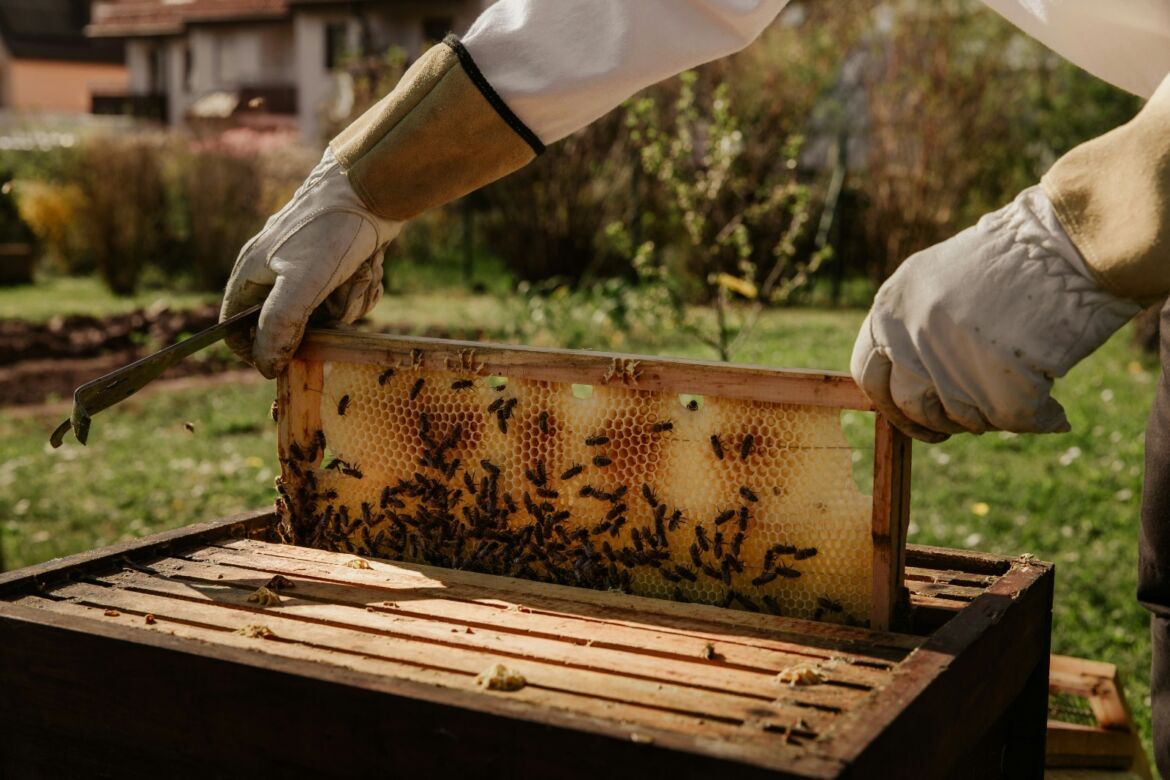
It has been one year since the Foundation for the Conservation of the Maltese Honeybee announced the honeybee as Malta’s national insect. While some may question the importance of such a small accolade, Maltese agricultural sustainability and environmental health are very much linked with this little pollinator. Protecting this endemic species is crucial towards safeguarding local environmental biodiversity, therefore marking it as a national insect was an important stepping stone, offering stronger legal safeguards and raising public awareness about its importance.
Moreover, marking the species as a national insect aligns Malta with EU initiatives. One such example is the EU-wide 2023 Deal for Pollinators. The EU Pollinators Initiative, by focusing on the conservation of wild pollinators and addressing threats like invasive species and pesticides, provides a strong framework for protecting the Maltese honeybee as a “wild” pollinator, which provides great value by supporting the apiculture sector.
As the EU representative organisation of The Malta Chamber of Commerce & MHRA, the Malta Business Bureau is actively supporting the success of local apiarists by promoting the protection of bees and beekeeping. The Malta Business Bureau is currently participating in the EcoHoney Project, a two-year, EU-funded initiative. This project’s goal is to promote environmental sustainability by protecting bees and supporting the transition to organic honey production.
One might ask, why prioritise the safeguarding of bees? Honey is much more than just a food; it is also a versatile and beneficial resource. It has a wide range of applications in the medical field, where it is being increasingly studied for topical and biomedical uses. In spite of this however, honey production worldwide, including in Malta, is currently at risk. Declining bee populations due to issues such as climate change, invasive species, and habitat loss are actively contributing to their decline.
Given the numerous uses honey has, as well as the growing beekeeping community in Malta, this product needs to be promoted more effectively. One way to do this is by making sure local beekeepers and producers are aware of all the different uses of honey, the importance of sustainable practices, and as many benefits of organic beekeeping as possible.
Awareness raising actions regarding the challenges that the beekeeping industry is facing are not enough anymore, bolder action needs to be taken. The goal is to find new ways to protect this valuable natural resource, which will not only safeguard the Maltese honeybee and its ecosystem but also support the livelihoods of our beekeepers and their respective apiaries.
The EcoHoney Project, in which the Malta Business Bureau participates, is attempting to affect change by focusing on more sustainable and organic beekeeping methods. Through this EU-funded initiative, work is actively being done within Malta, as well as across Europe, through other partners in different countries, in order to transition the industry towards practices that can actively protect our bees and ensure a sustainable future for local honey production.
How do we achieve this? The good news is that there is already significant enthusiasm within the local beekeeping community to produce a high-quality, genuine product.
In being part of the solution, the EcoHoney project, is creating the EcoHoney Training Kit which is designed to support apiarists in enhancing the sustainability of their operations, raising community awareness, and providing practical resources. The primary goal of this resource kit is to equip apiarists with the knowledge and tools needed to transition to more sustainable operations and grow their business. This is achieved by providing guidance on the technical requirements for producing and certifying organic honey and honey products, offering training in marketing and promotional strategies for these products, and raising community awareness about the vital importance of bees as pollinators while suggesting innovative ways, like agritourism, for apiarists to diversify their income.
While the Malta Business Bureau does not directly speak for beekeepers, it recognises the need to build momentum and bring the discussion around Maltese honey to the forefront. Our island’s unique ecosystem means there is no simple solution, and we cannot simply just declare that the way forward is that all honey production should be organic.
Instead, we need more comprehensive discussions that bridge scientific research with the practical knowledge of our apiarists as well as the current legal definitions of what constitutes an organic product. We must seek a multi-pronged solution that enables a truly sustainable future for this precious industry to exist. The Eco-Honey project, which concludes in 2026, will create opportunities for various industry stakeholders to come together and start this crucial conversation.